An Unnoticed Bump Sent Flight 401 Into the Everglades
A bumped control quietly switched the jet from level flight to a slow descent no one was watching.
 The Why Files · Aviation Mysteries: Horror at 30,000 Feet
On the night of December 29, 1972, Eastern Airlines Flight 401 was in no mechanical trouble when it flew into the Florida Everglades. It killed 101 of the 176 people aboard.
The flight from New York to Miami was aboard a Lockheed L-1011 jumbo jet delivered just four months earlier. At the controls was Captain Bob Loft, a 32-year veteran, with his co-pilot beside him and a flight engineer behind them.
At 11:32 p.m. near Miami, the crew lowered the landing gear. A small green light that confirms the nose wheel is locked failed to turn on.
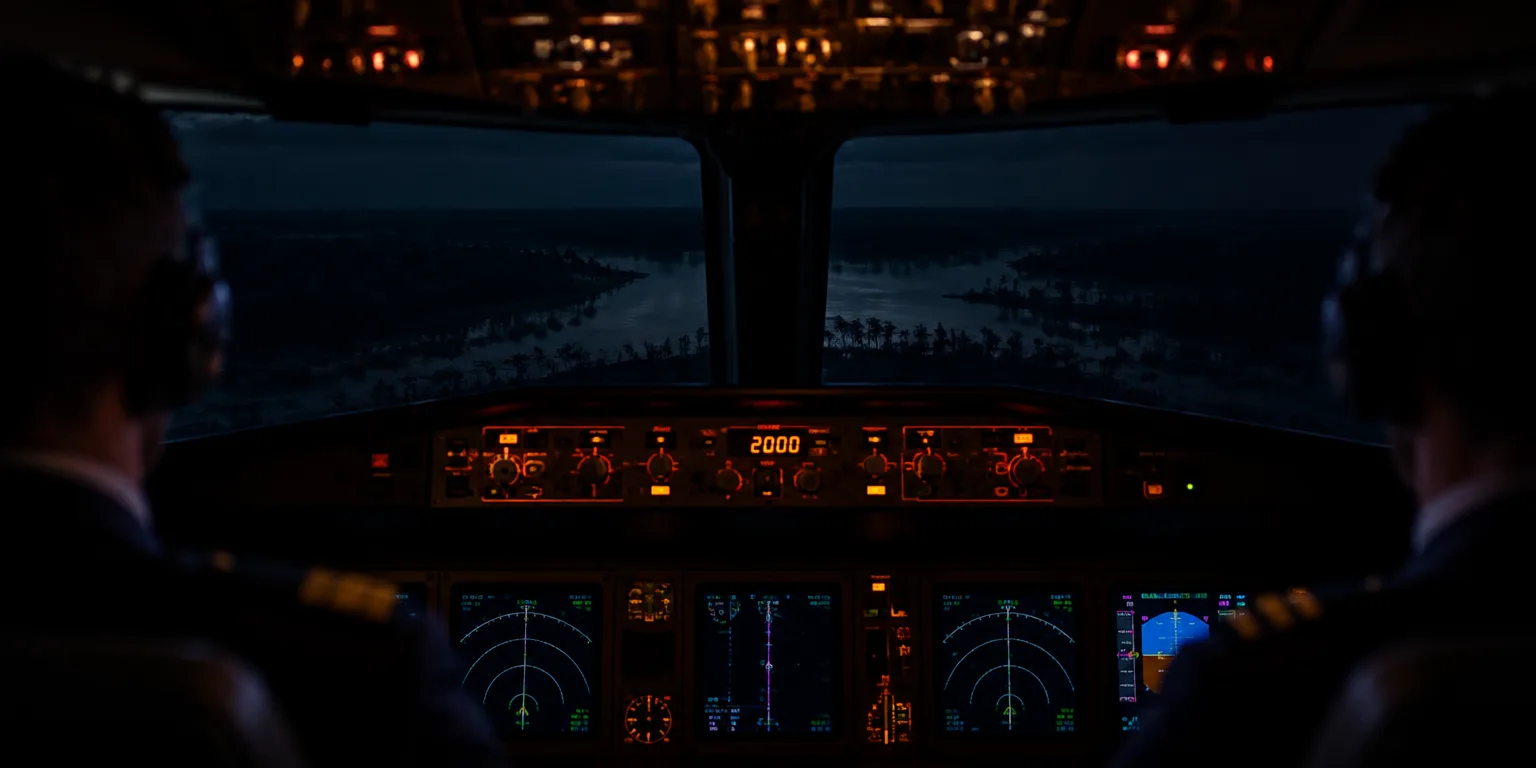
The light had failed because a 30-cent bulb had burned out. That small failure set off the distraction, as the co-pilot tried to pull the indicator out to change it and it stuck, so Loft abandoned the approach and held the jet on autopilot at 2,000 feet over the Everglades.
While they troubleshot the light, Loft sent the engineer down through a hatch into a small bay below the cockpit. From a little window there, the engineer could look directly at the nose wheel.
As Loft swiveled around to speak with the engineer below, he bumped the control column. That nudge quietly switched the autopilot out of altitude hold, the setting that keeps the plane level, and sent the aircraft into a gentle downward drift.
Outside was pitch black, with no city lights below to give a sense of sinking. A warning chime sounded when the plane got low, but with the engineer below and the two pilots fixed on the stuck light, no one heard it.
In about four minutes, the jet drifted from 2,000 feet to the treetops. When the co-pilot finally glanced at the altimeter during the turn back to Miami and saw how low they were, Loft grabbed the controls. Seconds later the plane struck the swamp at more than 200 mph.
Questions people ask
What does altitude hold actually do?
Altitude hold is an autopilot mode that keeps a plane at a set height without the pilot holding pressure on the controls. On Flight 401, a nudge to the control column turned that mode off, so the jet began a gentle descent that the crew did not command or notice.
Why did no one feel the plane going down?
Pilots partly judge motion by what they see outside and by their sense of balance, and both fail on a dark night over unlit swamp with a very gradual descent. With no lights below and all eyes on the landing gear indicator, there was no visual cue until the altimeter was checked.
Did anything change so this could not happen the same way again?
Later jets were fitted with ground proximity warning systems, now known as terrain awareness and warning systems, that give louder repeated callouts about altitude and terrain and tell pilots to pull up. Airlines also adopted crew resource management, which keeps one pilot assigned to fly while others troubleshoot, a practice that addresses this kind of fixation.