Titanic Engineers Stayed Below to Keep the Lights On
A century later, an open steam valve and a dented boiler show how 35 men bought time for lifeboats and distress calls.
 National Geographic · Diving Into Deep Sea Mysteries | MEGA EPISODE | National Geographic
Fireman Fred Barrett was tending boiler room six when the bell rang and someone shouted to shut the watertight doors. A large rush of water came through the ship's side, and Barrett ran just before the doors came down.
About twenty minutes after hitting the iceberg, the captain had reports of flooding in the boiler rooms. The other boiler rooms were flooding, and Chief Engineer Joseph Bell, who led about 200 men who powered Titanic around the clock, withdrew with his men toward boiler room two, the last space still able to furnish power.
This is the story of Bell and 35 engineering officers who stayed below while Titanic sank, keeping the lights on for more than two hours. The power they protected also fed the pumps and the radio, and an open valve found on the wreck now supports survivors' accounts.
The stakes were plain. It was pitch black on the open ocean, and without light, passengers would struggle to reach the deck and the lifeboats. Without power, the radio, how the ship could call for help, would also fail.
About one hour and 40 minutes after the collision, Bell sent the stokers, the firemen who shoveled coal into the boilers, up to save themselves. The 35 engineers remained with him in boiler room two, unable to see what was happening outside in brutal heat and steam.
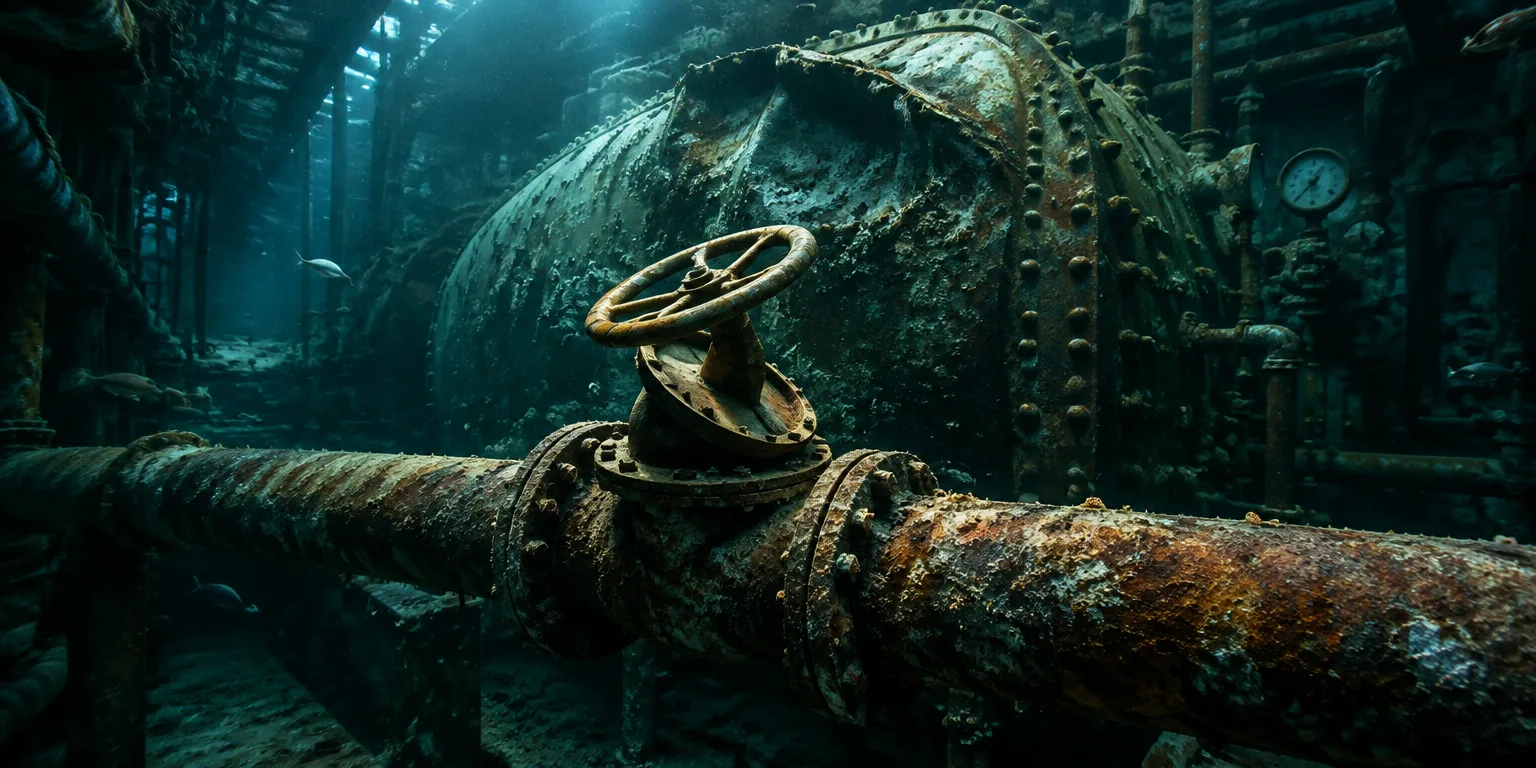
More than a century later, researchers building a full scale digital model of the wreck found a telling piece near the collapsed mainmast on the stern's port side. Researcher Parks Stephenson, who studies the wreck, spotted a steam valve lying away from where it started, with its flap open.
Researcher Chris Hearn, who studies Titanic's engineering, said the line carried remaining steam to the emergency dynamos, small electricity generators that supplied lighting, heating, and pumps. The emergency unit stood more than 40 feet above the main generator, so floodwater would reach it later, but a crew member needed to open the valve by hand.
At boiler room two itself, the model showed another clue. One boiler is dented inward in its upper section, a sign of an implosive event, meaning the boilers were still operating as the ship broke apart and the bow went under.
None of the 35 engineers survived, and Bell's body was never found. The open valve remains where it settled, evidence of the last job they gave it, keeping electricity flowing as long as possible.
Questions people ask
Why did keeping the boilers going matter if the ship was already doomed?
Titanic's lights, pumps, heating, and radio depended on steam from the boilers. As long as boiler room two could send steam to the emergency generators, the crew could load lifeboats in light rather than darkness and call for help.
How does an open valve support the survivors' accounts?
The valve sat in a steam line leading to the emergency generators, and a crew member had to open it by hand. Finding it open on the seabed fits survivors' testimony that the lights stayed on for more than two hours, suggesting the crew kept steam flowing until near the end.
Did any of the engineers who stayed below survive?
They did not. All 35 engineering officers who remained below with Chief Engineer Joseph Bell died, and Bell's body was never recovered. The researchers describe the scan of boiler room two as a memorial to their work.