Simulation Suggests Small Gashes Across Six Compartments Sank the Titanic
A computer simulation finds the fatal damage was thin and small, but just wide enough, and a head-on crash might have saved the ship.
 National Geographic · Diving Into Deep Sea Mysteries | MEGA EPISODE | National Geographic
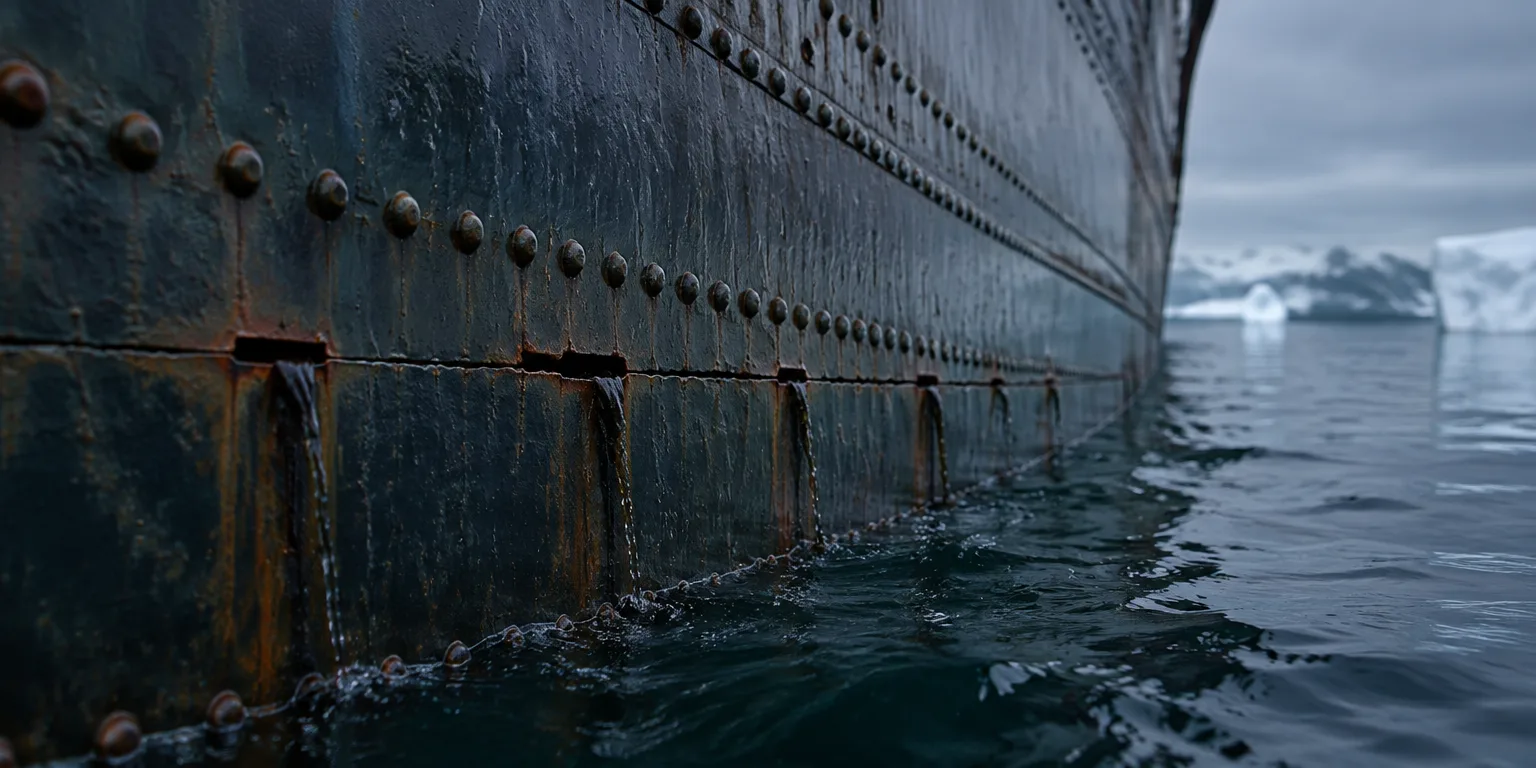
The iceberg did not rip a giant hole in the Titanic. According to a computer simulation, it left a thin line of small gashes totaling about 18 square feet, less than the area of a closet door, stretched along the starboard side.
The size is surprising because the ship was built to take damage. Its hull held 16 sealed sections meant to trap floodwater in one place. The ship could stay afloat with as many as four flooded, which helped give it a reputation as unsinkable.
After the disaster, naval architect Edward Wilding, who worked for the shipyard that built the Titanic, estimated the iceberg had opened about 12 square feet of punctures. He based that math on survivor testimony and his knowledge of the design.
More than a century later, engineers tested his estimate with a computer model built from the original blueprints and assuming a speed of about 22 knots. The simulation showed a glancing blow lasting just 6.3 seconds, with steel rupturing in a long, thin pattern.
Their total was about 18 square feet, remarkably close to Wilding. More important than the total was the spread. The simulation mapped damage across six compartments, from near the bow back to one boiler room and into another, plus a nick in the forward storage area no bigger than two sheets of paper.
That spread was fatal in the model. The ship was designed to survive four flooded compartments, not six. Without the two very small breaches at either end, the researchers say, the Titanic might have stayed afloat.
The same simulation suggests a head-on hit would have crumpled the bow but flooded only four forward spaces, including storage tanks. The researchers conclude the ship would have stayed afloat, though a sailor offering his perspective notes the cost would likely have been the lives of crewmen sleeping in those forward bunks. By steering aside to miss the ice, the crew traded a deadly direct hit for a longer scrape that doomed the ship.
Questions people ask
What exactly is a watertight compartment?
They were steel sections divided by walls with doors that could be closed to contain flooding. On Titanic they did not run all the way to the upper decks, so once the bow dipped too low, water could spill from one section into the next and drag the ship down.
How small is 18 square feet, really?
As the story notes, it was less than the area of a closet door. Spread across a ship nearly 900 feet long, it sounds almost invisible, which is why the finding surprises people.
Would ramming the iceberg head-on really have worked?
The researchers running the simulation conclude it would not have sunk, because the damage would have been confined to four forward compartments. A sailor offering his perspective says he doubts very highly that anybody would have tried it, given the danger to the crew berthed forward.