El Niño Nears Record Strength as 2026 Ranks Among Hottest Years
The U.N. weather agency says ocean heat released by El Niño will raise temperatures late this year and prolong weather risks into 2027.
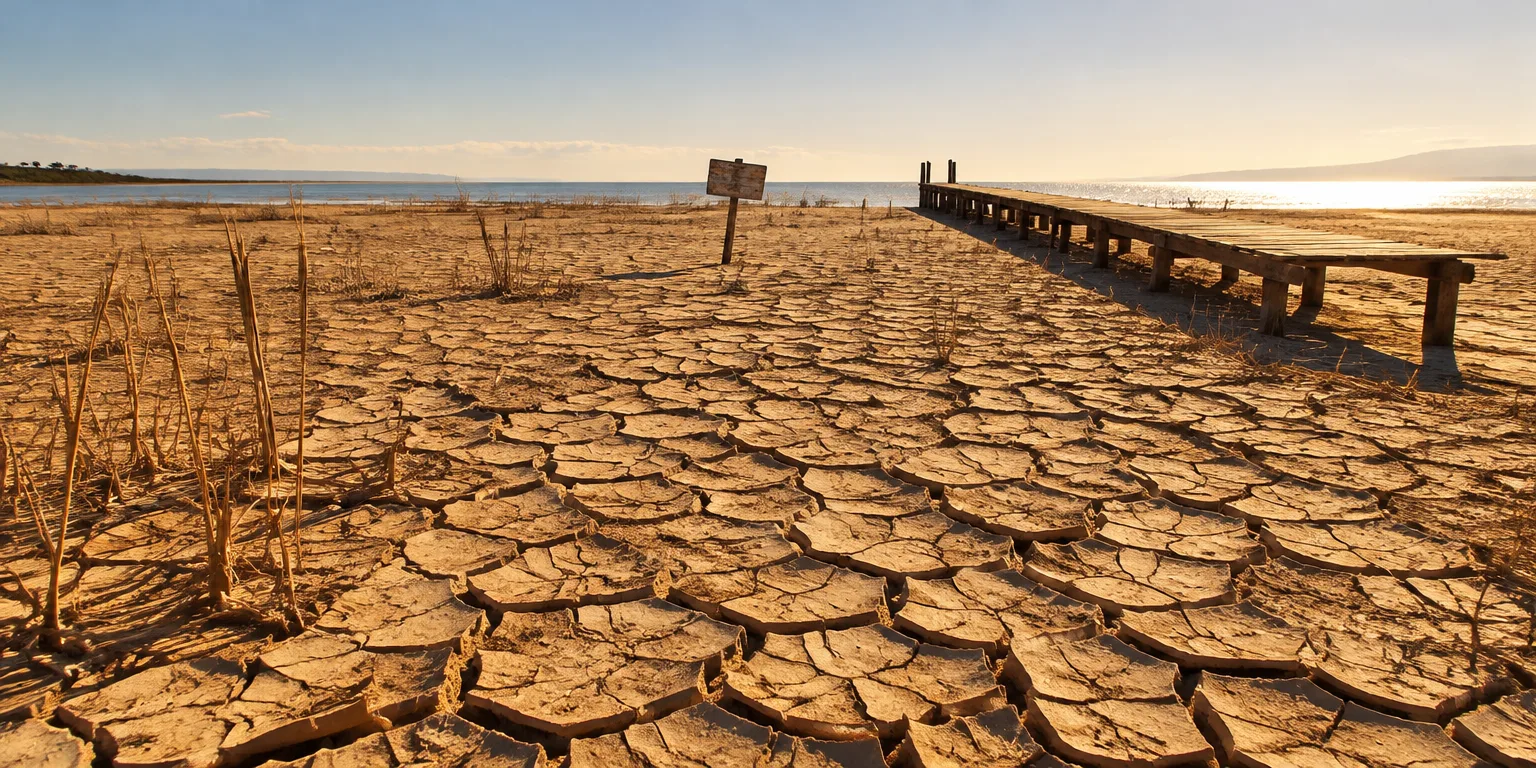
 k24.digital · El Niño to intensify global heat as WMO warns of worsening weather risks – K24 Digital
The World Meteorological Organization, the United Nations agency that monitors weather and climate, warned on November 16 that a strengthening El Niño will lift global temperatures further before the year ends.
That matters because 2026 is already on course to finish as one of the four hottest years measured, with higher risks of scorching heat, dry spells, and intense downpours lasting into 2027.
The warning came in the agency's State of the Climate Update 2026, released on the opening day of the United Nations climate meeting in the Turkish city of Antalya.
The report says the last dozen years look poised to be the hottest measured, a condition the agency described as off the charts.
A central driver is El Niño, a periodic warming of Pacific Ocean waters that releases heat stored in the ocean into the atmosphere.
The pattern has grown stronger since late summer and could reach record power by next month, a shift expected to lift the global average surface temperature toward year end.
From January through September, that average stood at 1.47 degrees Celsius above the 1850 to 1900 average used as the preindustrial benchmark, driven by greenhouse gases that have upset Earth's energy balance.
The report covers data only through September, so it does not yet capture the latest El Niño effects.
The next test is December, when scientists will see whether El Niño reaches the forecast record strength and how much additional heat and disruption it brings.
Questions people ask
What exactly is El Niño?
El Niño is a periodic warming of surface waters in the central and eastern tropical Pacific Ocean. That warm water releases stored heat into the atmosphere and shifts wind and rainfall patterns, which can raise the global average temperature for months.
What does 1.47 degrees above the preindustrial average mean?
It means the planet's surface, combining land and ocean readings, was that much warmer than the late 1800s, before large-scale fossil fuel use. Scientists use 1850 to 1900 as a baseline for the preindustrial climate. The 1.5-degree level is widely watched because the Paris Agreement aims to keep long-term warming well below 2 degrees and preferably near 1.5.
Does El Niño make everywhere hotter and drier?
No. El Niño tends to raise the global average, but its local effects vary widely. Some regions face hotter and drier conditions, while others face heavier rain and flooding. Forecasters publish regional outlooks because the same event can bring drought in one place and downpours in another.