After 9/11, Mycologist Says His Mushroom Extracts Ranked in Top 10 Against Viruses Feared as Weapons
A review he published in June 2001 caught the eye of a federal biodefense physician after September 11.
 Andrew Huberman · Mushrooms for the Mind & Immune System | Paul Stamets
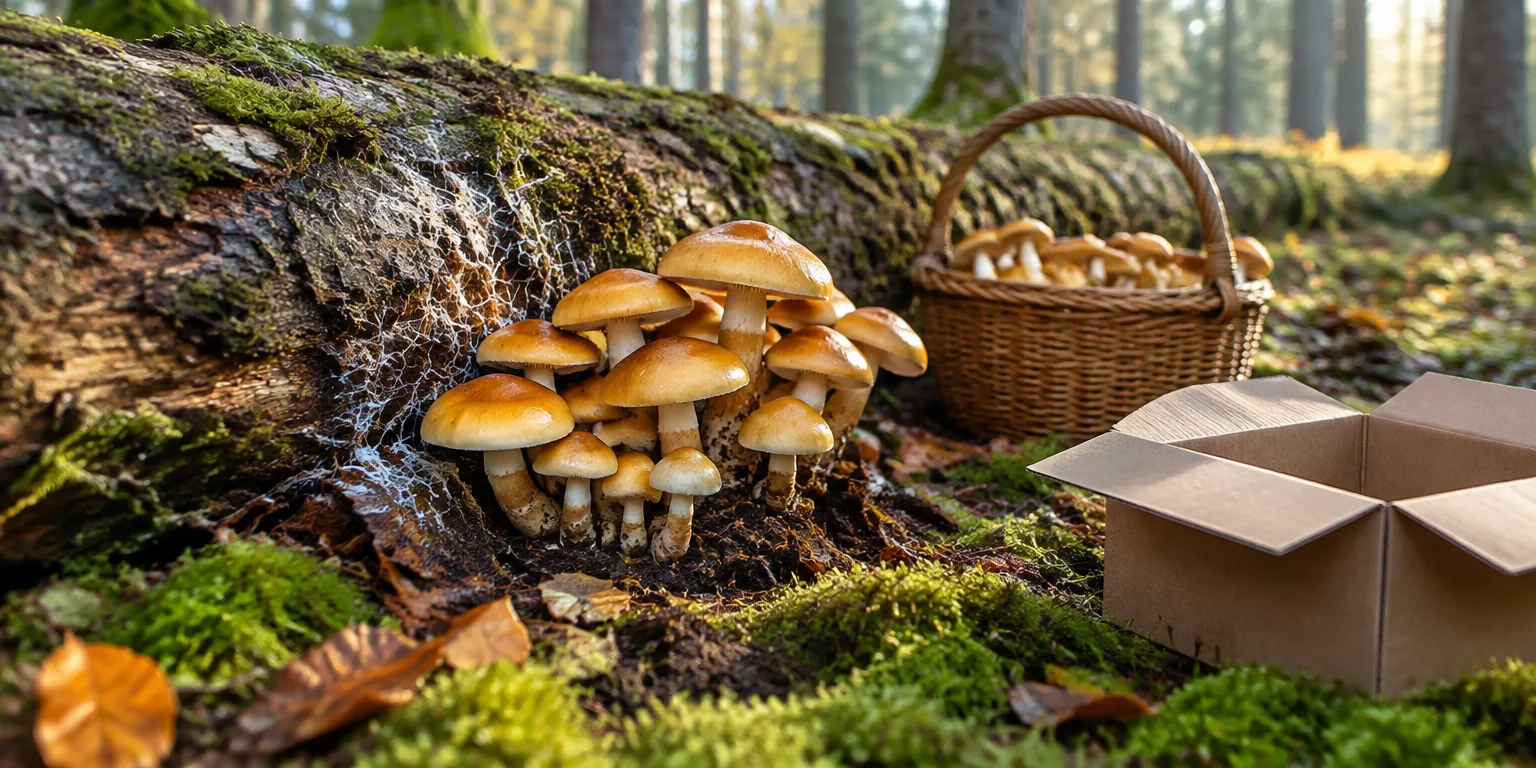
When Frank Panov, a doctor who studied viruses, asked young mycologist Paul Stamets for gypsy mushrooms, Stamets went to the forest to find them.
The mushrooms grow with trees and could not be cultivated, so they had to be collected. Stamets packed about 20 pounds and sent them by Federal Express, then a new shipping service.
Panov isolated a previously unknown protein from them, called RC183, that Stamets says was highly active against herpes viruses in laboratory tests.
Encouraged by the result, Stamets surveyed the scientific literature on antibiotics and antivirals from mushrooms. He published the roundup in June 2001 through the American Botanical Council.
Three months later, after the attacks of Sept. 11, 2001, a physician involved in the federal biodefense effort saw the article and called him.
The government was worried about viruses that could be used as weapons, especially smallpox and flu, and wanted compounds that could strengthen the body's defenses.
Stamets ran a small mushroom business that he had created to support research, and he had collected hundreds of cultures and species. The program gave him broad latitude, and he says he saw the opportunity of a lifetime.
He shipped large amounts of material for what he describes as hundreds of laboratory tests, including extracts from both mushroom fruit bodies and mycelium, the threadlike network that produces mushrooms.
When the results came back, Stamets says they were especially strong against pox viruses and flu viruses. Virologists wanted to know what was going on.
He says his extracts ranked among the ten best performers out of over two million samples tested for what he called super selectivity against viruses feared as weapons, the only natural product in that group.
The finding brought national attention and more research resources. Stamets appeared on National Public Radio with the deputy director of the Food and Drug Administration and the head of the biodefense program to discuss the results.
Questions people ask
What is the difference between mycelium and a mushroom?
Mycelium is the main body of a fungus, a network of tiny threads that grows through soil, wood, or other material. A mushroom is its short-lived fruit, which makes and releases spores. In this story, Stamets tested extracts from both parts.
Why are smallpox and flu considered possible bioweapons?
Smallpox is caused by a virus in the pox family, and it killed hundreds of millions of people before vaccination ended natural transmission in 1980. Biodefense officials worry about it because laboratory stocks exist and most people today lack immunity. Flu viruses are a concern because they spread easily and change quickly.
Did these mushroom extracts become an approved drug?
Not from this work so far. No mushroom-derived antiviral has become an approved drug for smallpox, flu, or other biodefense threats. Natural extracts often show early laboratory activity, but turning them into safe and effective medicines requires years of purification and clinical testing.