Four Men With Little Experience Rowed From Washington to Maui in 54 Days
After a nine-day storm pushed them backward and a broken desalination unit forced hours of hand pumping, they surfed huge waves toward Hawaii.
 The Joe Rogan Experience · #2582 - Greg Anderson
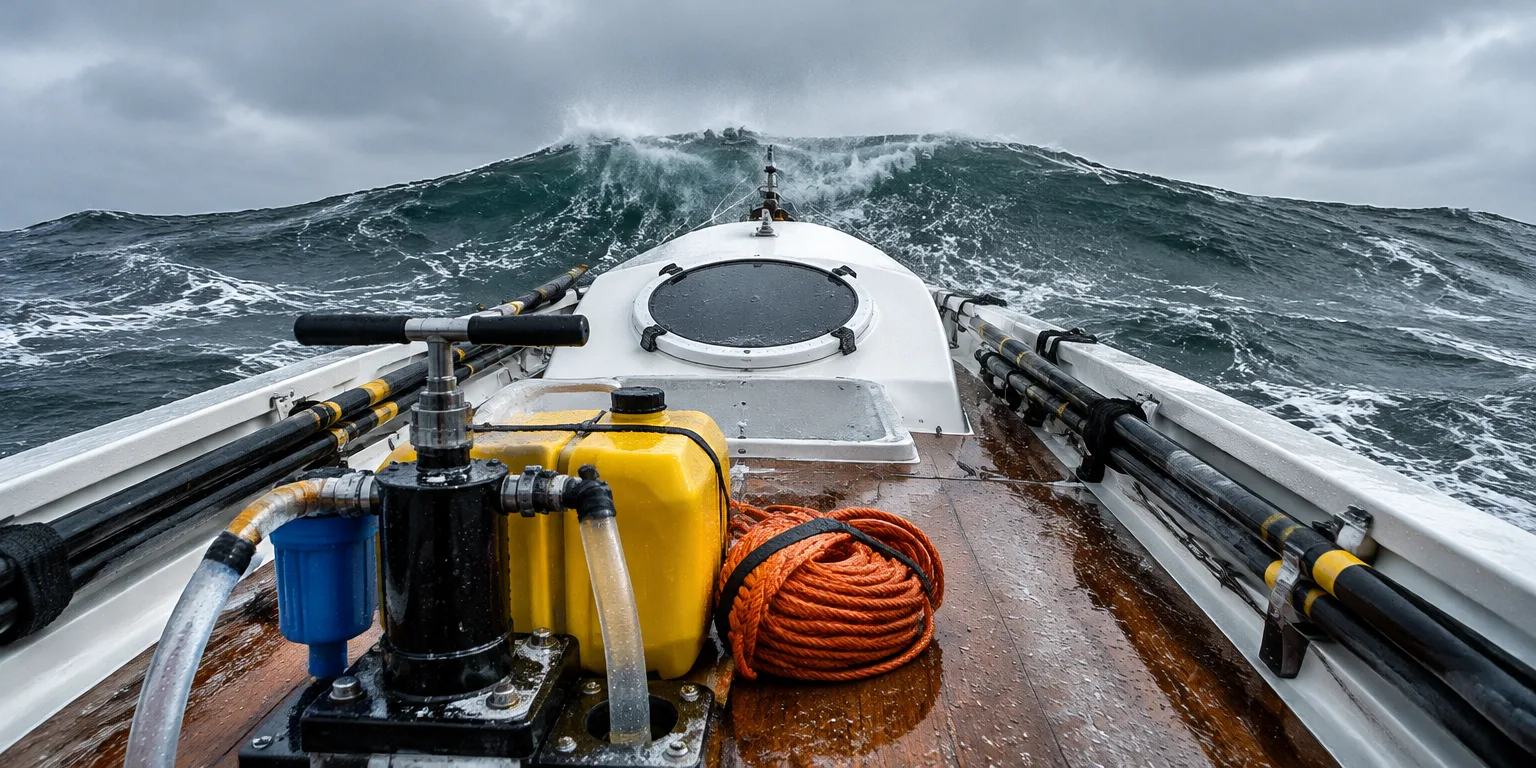
Nine days out of Washington, the waves stood as tall as a building and the 24-foot boat could no longer be steered. Greg Anderson, a 46-year-old jiu-jitsu practitioner, and his three crewmates threw a parachute overboard and sealed themselves inside.
The device, called a para-anchor, was a 12-foot canopy hanging about 50 feet below the surface to hold them relatively still. The forecast showed the storm would not ease for nine days.
For days off Oregon they circled and drifted backward while followers online pointed out they were headed the wrong way. Anderson, who said he had zero rowing experience, set out with teammates Joshua Dukes, Johnny Martinez, and Will to row from Washington to Maui.
The crew had been out on the ocean only once before, and they finished the crossing in 54 days. The trip began because Anderson had watched a man named Jack Jarvis row from New York to London on social media.
He told his wife he was living vicariously through other men, messaged Jarvis, bought an expedition boat built in Britain, and assembled a crew. The boat had enclosed cabins and was designed to roll past 90 degrees and right itself.
It did, repeatedly. In storms both men from a shift squeezed into a rear bunk about as wide as a pair of shoulders and rode it out.
At night, darkness erased the line between sky and water. By day Anderson and Dukes navigated with a marine GPS, working with wind and current.
Sometimes that meant covering about 100 miles in a day down the California coast. Sometimes the oars felt heavy and the boat barely moved. They rowed in three-hour shifts around the clock, 12 hours per man per day.
About 1,500 miles offshore, with roughly two weeks to Maui, a life vest struck a pressure valve during a storm and flooded their solar-powered desalination unit. The motor failed, leaving only a hand pump that took about an hour of pumping to fill one container.
Anderson said he had expected the rowing itself to be the hardest part, but staying soaked and freezing was harder. Waves broke over the crew in low-40s temperatures, and waterproof bags, coats, and bibs eventually soaked through with no heater or way to dry them.
Broken sleep wore them down as well. Alarms blared unheard beside exhausted ears until men shook each other awake, and Anderson and Martinez once feared Will had died when he could not be roused.
They had gone to sea only once before the crossing, and within two or three days thought they might have taken on too much. When the Oregon storm finally shifted in their favor, they pulled the anchor and surfed for hundreds of miles toward Hawaii.
Questions people ask
How do you steer a rowboat across the open Pacific?
They row in shifts and navigate by GPS, compass, and weather forecasts. In this case, two crew members served as navigators, constantly adjusting course for wind and current, which can help or hurt progress on any given day.
How does a small boat make drinkable water at sea?
A marine desalination unit forces seawater through a membrane that removes salt, producing fresh water. Many units run on 12-volt power from solar panels, with a hand-operated backup pump for emergencies.
Why did their boat not capsize for good in those huge waves?
Ocean rowing boats are built with watertight cabins, extra buoyancy high up, and sealed hatches. If a wave knocks one past 90 degrees, that top-heavy buoyancy helps right it, as long as the doors stay closed.