Hotel Video Cleared Two People Who Matched A Murder Description
Police thought a tip about two people traveling with a child had solved the killing, until time stamped footage put them inside a hotel.
 Dateline NBC · Deadly Intersection
Marcus Wilkes sat in a Baltimore interview room, crying as homicide detectives questioned him about the stabbing of Jacqueline Smith. He insisted he did not know her and had nothing to do with it.
Detectives had reason to focus on him. Wilkes, known on the street as Baby J, traveled with a woman named Tia Sabree and a young child, and a Crime Stoppers tip said they fit the description given by Smith's husband, Keith Smith, who said panhandlers had attacked his wife after she lowered her car window to give money.
The tip looked like the break detectives needed. Wilkes was in his late 20s or early 30s with a goatee, Sabree fit the description of the woman, and Wilkes was already wanted on a robbery warrant.
Homicide detective Mike Moran said officers spent days looking for the pair through informants, drug dealers, and drug users. Each time patrol officers approached Wilkes, he ran, which made detectives more confident they had found the right people.
Once officers brought him in, Wilkes was adamant. "On my life, on my heartbeat, they're dead wrong," he told detectives, saying people on the street who blamed him and Sabree were mistaken.
He said the pair had spent that Friday night at the Envy Hotel and had left only briefly for a 7-Eleven, returning around midnight. He said he might steal or rob, but he could not kill someone and could not live with himself if he had.
Sabree was harder to bring in because Wilkes and Sabree were homeless, with no fixed place to find them. When detectives finally questioned her, her account differed on the details.
She said they had been at the Executive Inn since the middle of the afternoon. She said she left the room to go to Taco Bell around 9 or 10 p.m., was gone about 30 minutes, and both of them were back well before Smith was killed.
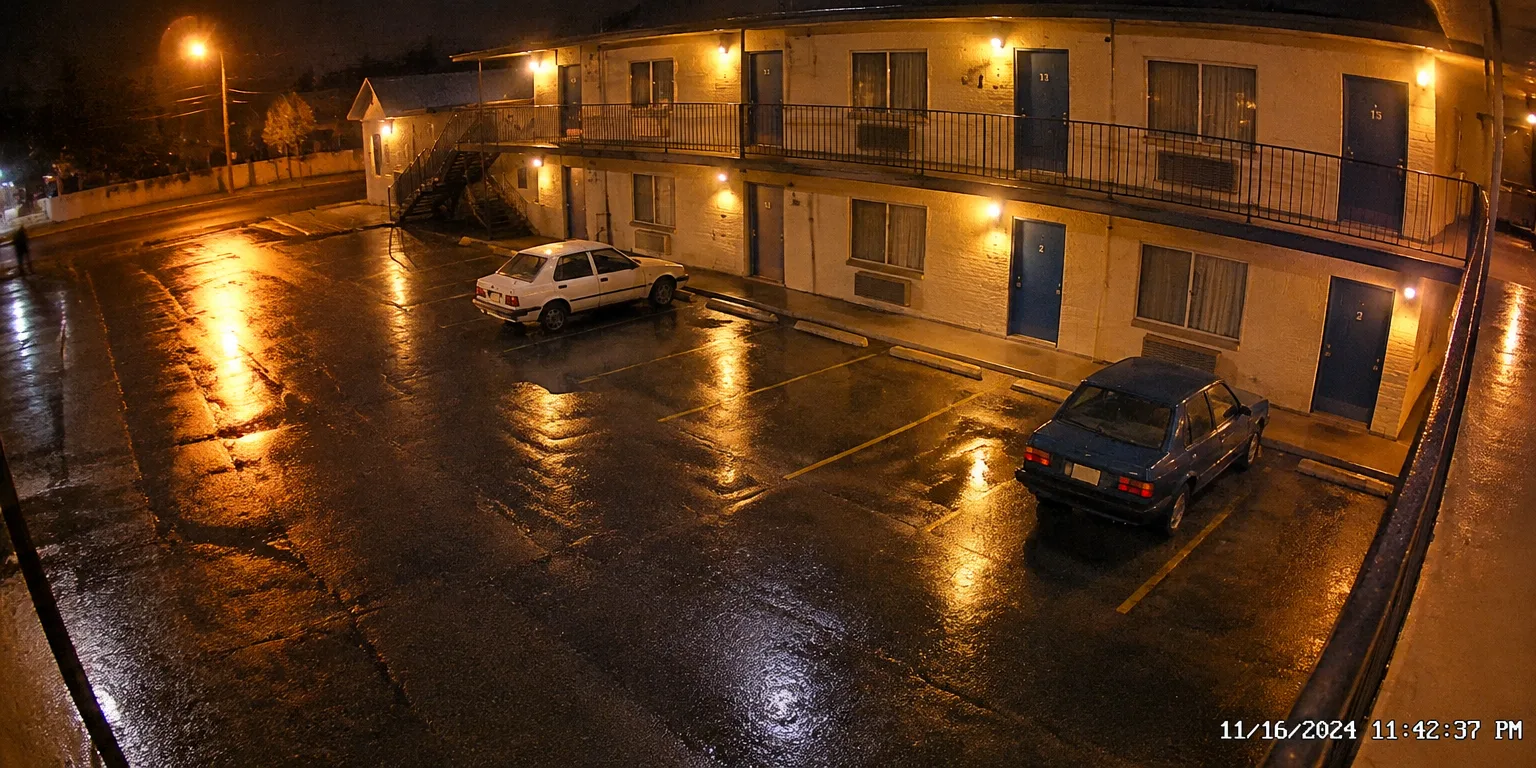
Homicide detective Jill Beauregard and Moran visited the hotel to review its security recordings. Time stamped images showed the pair pulling up on two small vehicles in the late afternoon before the killing, leaving separately near 10 p.m., and returning together.
At the hour Smith was killed, they were inside the hotel. Detectives concluded Wilkes had mixed up the hotel name and the food stop, but his movements lined up with Sabree's account.
Moran called it a solid alibi. That outcome was good for Wilkes and bad for the investigation.
Beauregard called the moment crushingly devastating and depressing. She said, "now we had to start all over again." They still had a murder to solve.
Questions people ask
Why did police take the husband's panhandler account seriously at first?
Keith Smith said a woman who appeared to be holding a baby asked his wife for money, then a male companion stabbed her and stole her purse. With no witnesses, rain and darkness at the scene, and a public appeal underway, detectives began by checking the description against people known to panhandle or live on the street.
What eventually happened to Keith Smith?
Keith Smith was later convicted of first-degree murder and sentenced to life plus three years. His stepdaughter Valeria Smith, who had initially backed his account, agreed to testify for the prosecution and received a lesser charge of accessory after the fact.
How can hotel video prove where someone was?
Hotels and stores record continuous video with dates and times embedded in the file. Investigators compare those stamps with the known time of a crime, and look for a clear sequence of arrival, departure, and return. If the stamps place a person inside at the crucial hour, that is usually treated as a strong alibi.