If Someone Else Can Shut It Off, You Do Not Own It
Maria Bustillos argues that licensed books can be altered or removed, and libraries should truly own what they buy.
 TechCrunch · Flaming Hydra’s new Kickstarter campaign rethinks e-book ownership and digital lending | TechCrunch
Instead of buying a book once, one school was charged $27 for each student every year to keep letting students read The Diary of Anne Frank, in an example from 2020. Maria Bustillos, who edits Flaming Hydra, an online culture and commentary magazine, wrote about that case in 2020 in her reporting on e-book systems in libraries and schools.
She said the effort is part of fulfilling the "promise of the early internet, where you're making information available to as many people as possible, while still protecting the right of artists and authors to make a living." The library e-book work is one piece of that push, alongside a print magazine and a newsletter archiving program.
"E-books are books," Bustillos said. "They're not some other thing. They are books, and people should be able to own them, and libraries should be able to own them, and media should be able to be owned. All digital media should be able to be owned."
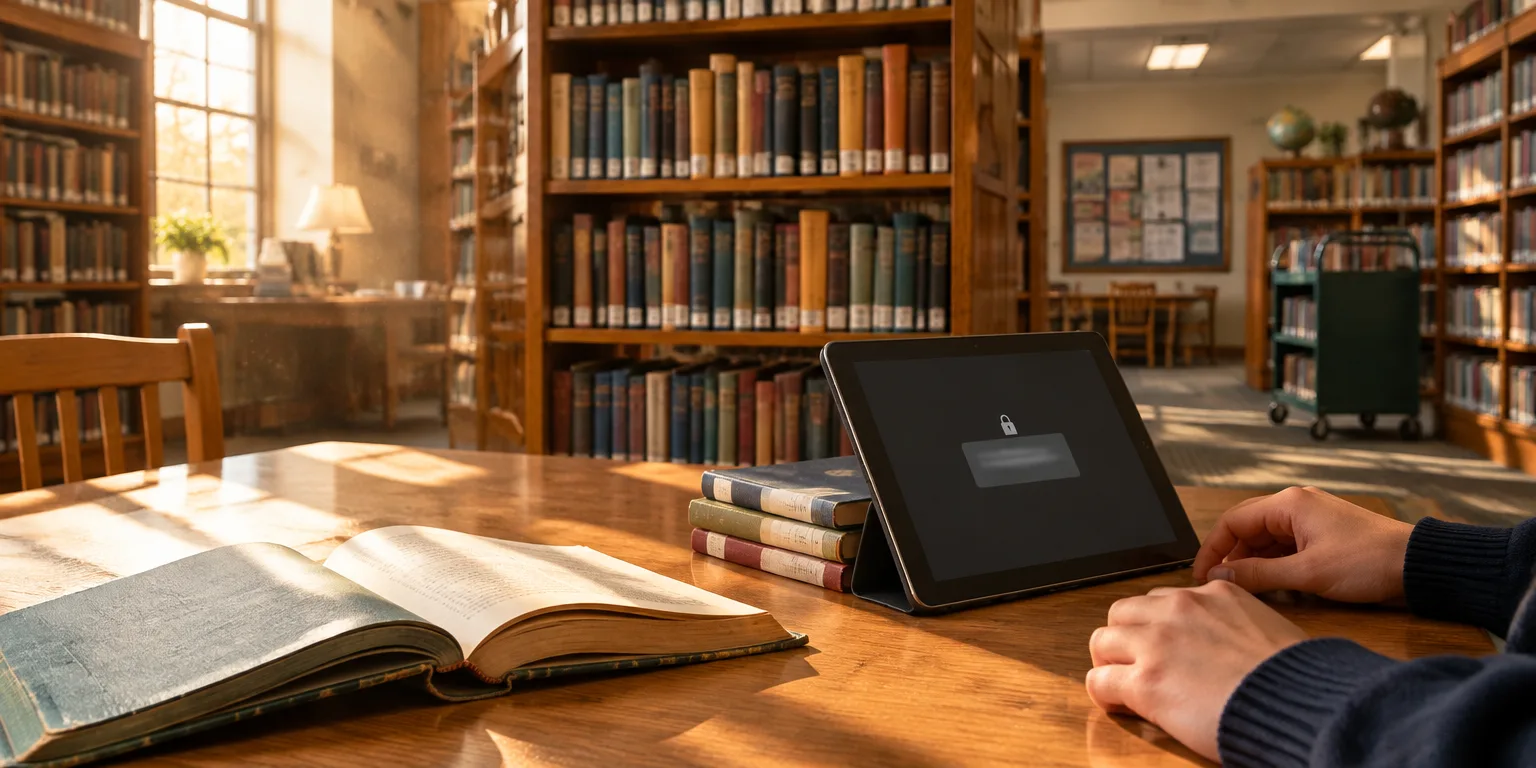
E-books are generally licensed rather than sold. Readers and libraries license them from publishers, and those copies "can be altered or removed at any time," even long after purchase.
That leads to her ownership test. "If you are at the mercy of somebody who can shut the book off, you do not own it."
Her proposed fix would let libraries buy e-books outright and keep them, then lend them to patrons. Flaming Hydra would enable that through an open source system called Lenny for Libraries, described as a library in a box.
Bustillos said losing a single title might sound minor. It becomes a real problem, she said, if the same control covers all the textbooks for everybody, or all the books.
Questions people ask
Can a company really change or delete an e-book I already paid for?
In 2009, Amazon remotely deleted copies of George Orwell's 1984 and Animal Farm from customers' Kindles after a rights dispute, then apologized and changed its policy. Because many e-books stay linked to the seller's system, text can be edited or access revoked when rights change or devices sync.
What is Lenny for Libraries?
It is Flaming Hydra's proposed open source lending system. The idea is that a library buys and holds its own e-book files, then lends them to patrons, rather than renting temporary access through a commercial middleman.
Why do libraries usually license e-books instead of owning them?
Mostly because major publishers insist on it. They sell libraries time limited or metered licenses through distributors, saying it protects sales and author income, while libraries say it leaves them paying repeatedly without building a permanent collection.