In 2020, a School Paid $27 Per Student for Anne Frank's Diary
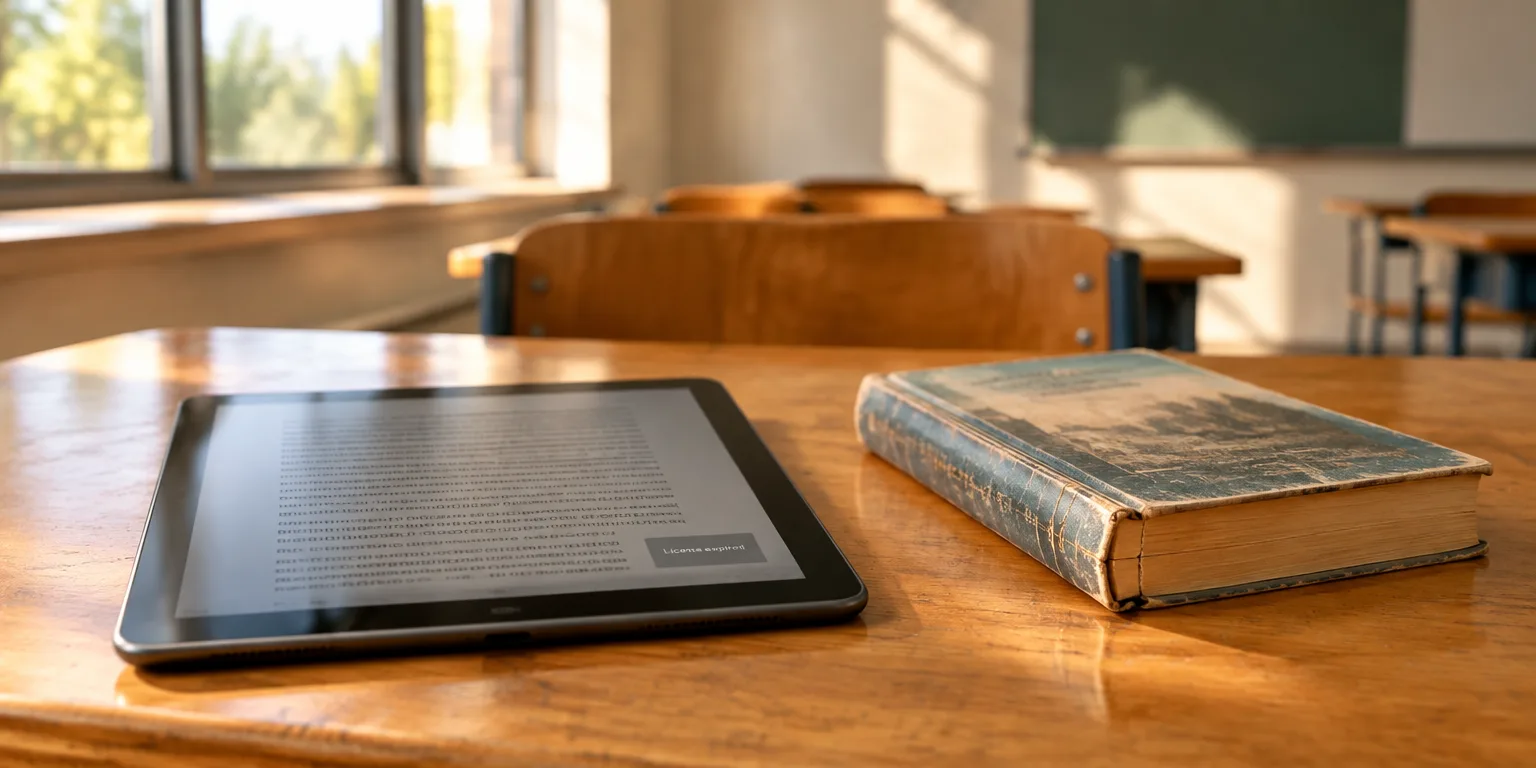
Schools often license e-books instead of owning them, so access can expire or be revoked.
 TechCrunch · Flaming Hydra’s new Kickstarter campaign rethinks e-book ownership and digital lending | TechCrunch
Back in 2020, Maria Bustillos, lead editor of the online magazine Flaming Hydra, described a school being charged $27 for each student each year to retain digital versions of The Diary of Anne Frank.
It was her example of how schools and libraries often do not buy e-books but license them. Those licensed e-books can be revised or deleted.
Her test is blunt, Bustillos said, “If you are at the mercy of somebody who can shut the book off, you do not own it.”
Her Phoenix Project, now seeking $30,000 on Kickstarter, aims to build an open system called Lenny for Libraries that would let libraries truly buy and lend e-books, so access would not depend on paying again each year.
Questions people ask
How is that different from buying a paper book?
With print, a library pays once and lends that copy until it wears out. With many e-book deals, a library pays for a license that covers a set time, a set number of checkouts, or a per-student fee, and then must renew to keep lending.
Why would publishers prefer licenses to sales?
Licenses let publishers control copying, which is easy with digital files, and create recurring revenue. Critics say the result can cost libraries much more over time than print, while giving them less control over preservation and access.