She Put Men's Shoes Outside the Door for Deliveries
Young women say men underestimate how much daily energy goes into feeling safe.
 Not Dead Yet · Dan Cox
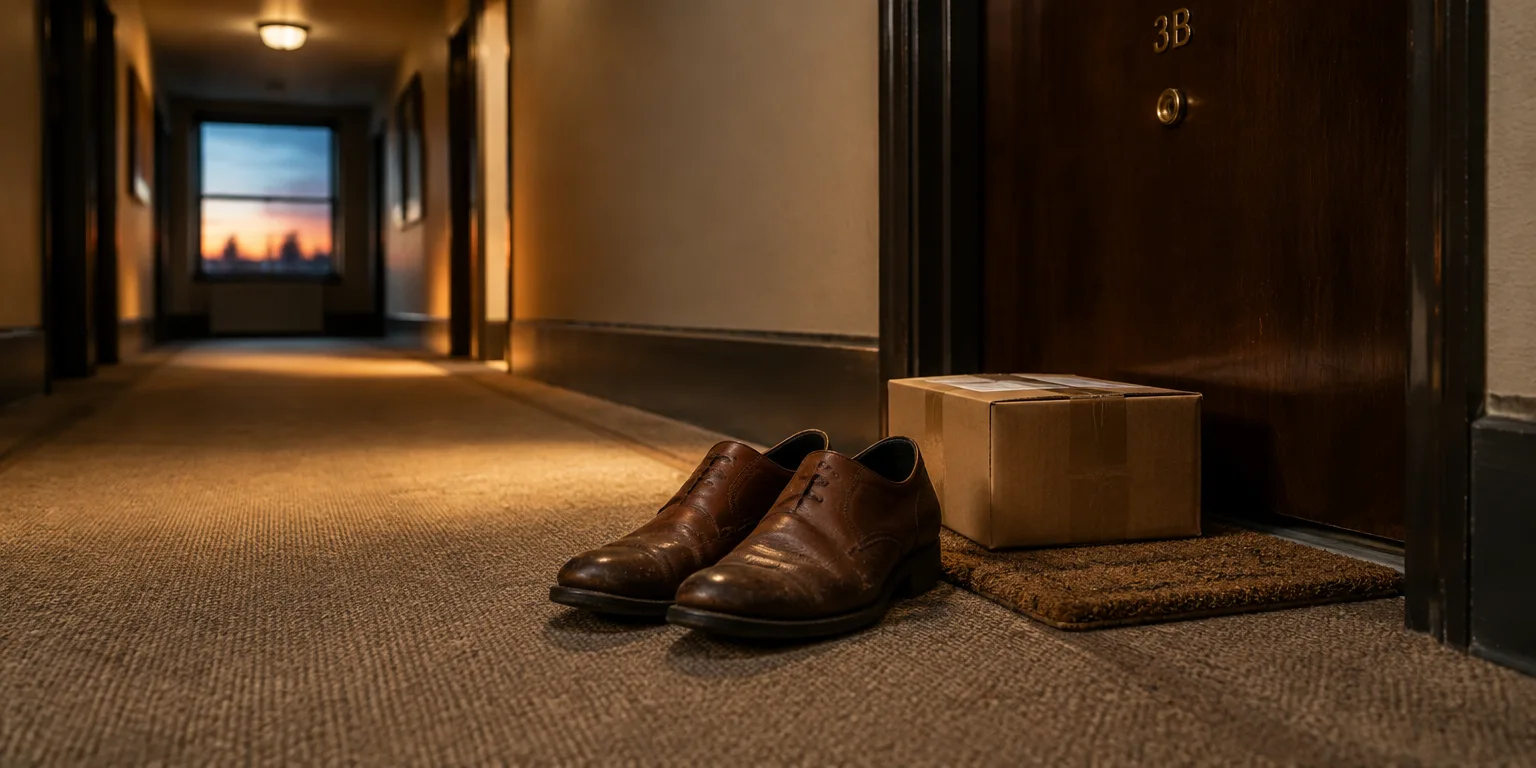
When the delivery worker arrived, one young woman had a routine. She put a male friend's shoes outside her apartment door.
The friend had left the shoes at her place, said Daniel A. Cox, a researcher at the American Enterprise Institute who studies social connection. Set where they could be seen, they could suggest a man was inside with her.
In focus groups, Cox said, women returned in every conversation to one point: they wished men understood how much daily time and energy goes into thinking about safety and protection.
That private calculation has a public measure. Chris Stirewalt, a journalist, cited figures showing that 39% of women under 50 said in 2017 that they worried about being sexually assaulted, rising to 55% in 2023.
Cox, discussing his book, called that rapid rise "one of the most troubling findings in the entire book." He pointed in part to media diet, meaning what young women see in news coverage and on social media.
He said social media systems can identify a user's gender very quickly and then supply validating material that plays to stereotypes about men and women. That steady feed, he said, affects how safe young women feel around men, and how they feel about the opposite sex.
Online, he said, women encounter many frightening accounts of dating, including stories about partners who first seemed trustworthy. Alongside those stories is a whole industry of products that promise safety, and Cox said he documented an increase in women purchasing mace and pepper spray.
Cox said women feel alone, with little faith that high schools, colleges, churches, or the police would respond to their concerns appropriately or promptly. That lack of confidence, Cox said, shapes how they view everyday life.
So she used the friend's shoes to send a simple signal to the person at the door, that a man was home.
Questions people ask
Do mace and pepper spray actually help?
Sprays can deter an attacker and create a chance to get away, and police generally describe them as a reasonable backup tool. They work best at close range, they can fail in wind or enclosed spaces, and they do not replace awareness, locks, lighting, or calling for help.
What can make a delivery feel safer?
Many services now offer no-knock drop-offs, photo confirmation, live tracking, and the ability to leave delivery instructions. Some customers ask drivers to leave packages without knocking, meet in a lobby, or delay opening the door until the driver has left.
What can friends or drivers do to help?
Small signals can help, such as drivers announcing themselves clearly, stepping back from the door, and leaving promptly after drop-off. Friends can also help by staying on the phone during a delivery, sharing tracking updates, or leaving an item like shoes or a jacket visible when asked.