The FBI’s Hair Matches Were Wrong in 96% of Cases Checked With DNA
A later DNA check overturned almost every match, in cases that included 33 death sentences and nine executions.
 Veritasium · We've Been Using The Wrong Science In Court For 50 years
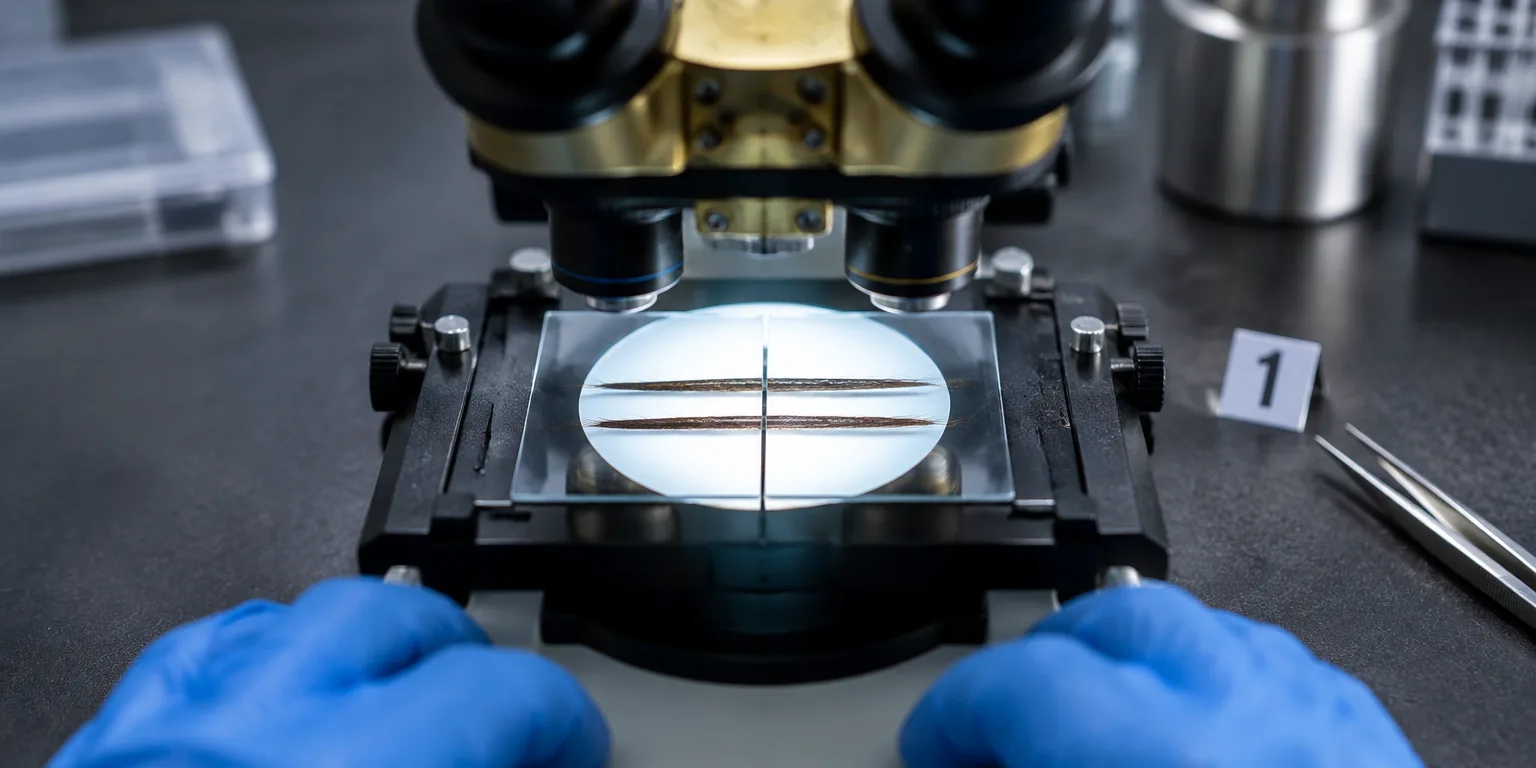
Under the microscope, a crime scene hair became a clue. An examiner studied the rough, fish scale texture of its surface and the way pigment spread through its shaft, looking for a match to a suspect.
For decades, that trained eye was treated as a measuring instrument. Examiners said they could tell whether a hair was human, what group it came from, or what family of animal left it behind.
The Federal Bureau of Investigation used that judgment against defendants in 268 cases from the 1970s through 1999.
A later review checked those old hair calls with DNA. The result flipped the field. In 96% of the cases checked, the supposed hair matches were declared false.
Even the most experienced examiners, the review found, had routinely claimed matches between hairs that came from two different people. They sometimes could not tell a human hair from a dog hair.
One headline case involved a hair sample that kept men in prison for 28 years and was later shown to have come from a dog.
By the time reviewers found the pattern, 33 people in the rechecked cases had been sentenced to death, and nine had been executed.
Today, the FBI uses hair as evidence only when the microscope work is backed by DNA testing. Its position is that a microscopic similarity alone is not enough to identify a person.
Questions people ask
Can scientists get DNA from a hair without the root?
Nuclear DNA, the most identifying type, comes mainly from the follicle, or root, of a pulled hair. A cut shaft without a root usually yields only mitochondrial DNA, which is passed down through mothers and shared by many people, so it can exclude someone but rarely identifies one person alone.
Why was microscope comparison so unreliable?
Hairs from the same person can look different from one another, and hairs from different people can look similar. There was never a large database showing how common each microscopic trait was, so examiners made subjective calls without knowing how rare a supposed match really was.
Is hair comparison still used in court today?
Yes, but only with DNA support. The FBI now says a microscopic similarity alone is not enough to identify a person. Many state and local labs have also limited the technique, and examiners are told to avoid claiming they can trace a hair to one source.