Turkeys Rarely Gobble and Also Yelp, Cluck, and Purr
Most turkey talk is about staying together, staying safe, and settling in for the night.
 Stuff You Should Know · Selects: Gobble Gobble: Turkeys!
Ask a turkey how it talks and you will probably expect a gobble. In real life, the gobble is a rare sound for turkeys, made mostly by adult males showing off for mates.
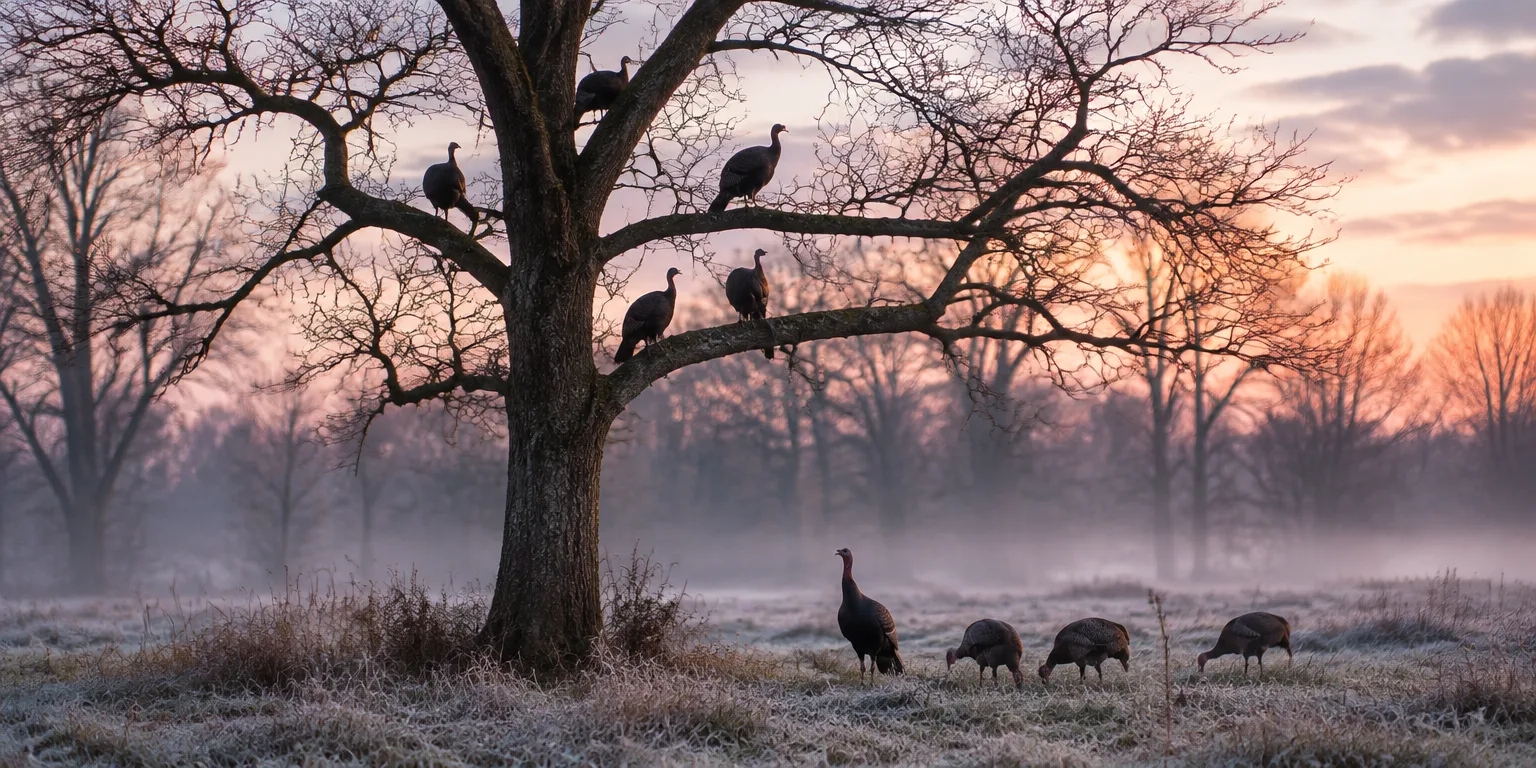
The workday starts softer. Still up in the trees where they slept, turkeys trade what hunters call tree yelps, a kind of good morning roll call to check in with the flock.
Once on the ground, a feeding flock may spread across a quarter acre, with at least one bird always standing watch. A plain daytime yelp says come huddle up over here, while a louder lost call is thought to be more for family, telling scattered relatives to hurry back.
Shorter notes handle closer business. A cluck taps one bird for attention, the way you would say hey to someone beside you, and a sharp alarm putt warns that something strange is going on nearby.
Young birds have their own call, known as the kiki, used when a poult feels lost and wants reassurance. To one listener, it sounded less like its name suggests and almost like a whine.
When turkeys arrive at the nighttime roost or leave it in the morning, they add the cackle, a hello and goodbye that announces that they are here.
Then there is the sound few people expect. Turkeys are said to purr with contentment, like cats, and in one video a stroked turkey curled into a person's lap while purring.
Listen for an hour and the gobble falls into place. It is one mating word in a full day of check-ins, warnings, and comfort calls.
Questions people ask
Can people learn to talk turkey?
Yes. Turkey hunters routinely learn yelps, clucks, putts, and gobbles, often with box calls, slate calls, or mouth diaphragms. The idea is to sound like another turkey, usually a hen, to draw a tom closer during spring mating season.
Why do turkeys sleep in trees?
Trees offer safety. Turkeys feed on the ground by day, where foxes, coyotes, and other predators hunt, but fly up at dusk to sleep on branches. Roosting high makes a nighttime attack much harder.
Do female turkeys gobble?
Almost entirely. Gobbling is mainly a male mating display meant to attract hens and challenge rivals. Hens can make a similar but softer sound, but they rely much more on yelps, clucks, and other flock calls.