Medieval Ghost Stories Helped People Talk About Death, Not Prove They Believed In Zombies
The tales offered a common language for mortality and fear, much like modern ghost stories.
 After Dark: Myths, Misdeeds & the Paranormal · Inside the Medieval 'Zombie Village'
In 12th-century Yorkshire, William of Newburgh, a churchman and Augustinian canon, wrote down several revenant stories in Latin. He framed them as true events, with the dead returning in bodily form to familiar homes.
He belonged to the church, the most literate group writing things down at the time. Yet few villagers in a place like Warren Percy could ever have read such a manuscript.
The accounts may still reflect ideas already circulating by word of mouth, rather than inventions from the page. The stories may have been widely told even if people did not hold them as belief.
“I don’t think everyone has a consistent and 100% committed belief to this,” said Maddy Pelling, a medieval historian.
Describing the stories’ place in everyday life, Pelling called them “a cultural presence rather than a philosophy that cuts through people’s lives,” a tradition of understanding for making sense of life and death. Like modern ghost stories, they could flicker to mind inside a supposedly haunted house without demanding full belief.
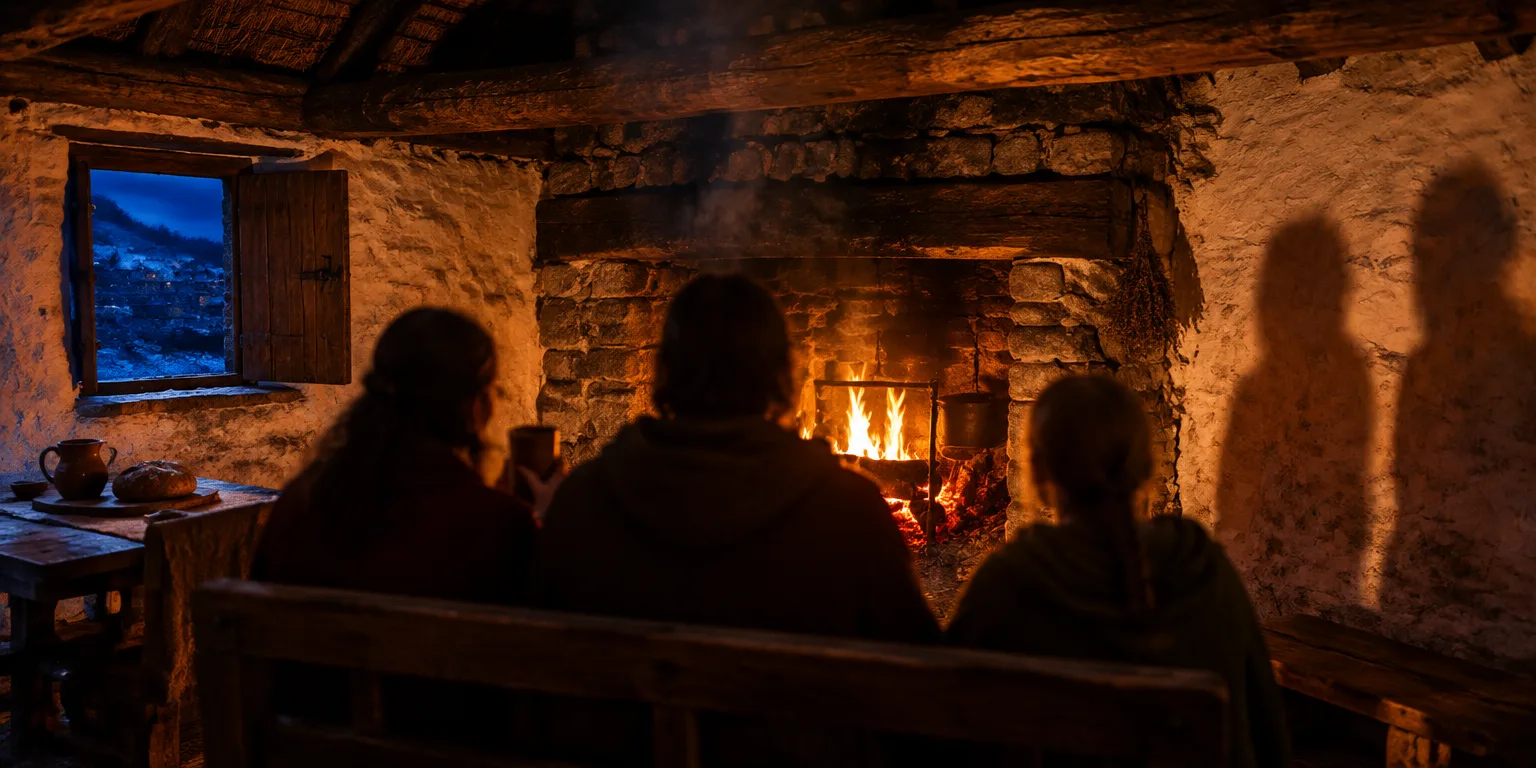
They offered a shared way to picture a world where life and death felt close, with Christian ideas of resurrection alongside fear of handling dead bodies. Winter fires mattered too, for the pleasure of a good yarn told after dark.
Later retellings, such as M.R. James’s ghost-story versions, bring their own baggage. What survives cannot show exactly how medieval listeners received the stories, but their persistence remains revealing about the people who told and consumed them.
Questions people ask
Who was William of Newburgh?
He was a 12th century Augustinian canon in Yorkshire who wrote a Latin history that included several revenant stories. His accounts describe corpses returning to homes and communities, and remedies such as exhuming and burning the body.
What is Warren Percy?
It was a medieval village in Yorkshire that once held about 200 people and was later abandoned. Excavators found 137 pieces of human bone, thought to represent 10 people from different centuries, with marks of decapitation, cutting, burning, and breakage.
How is a medieval revenant different from a modern zombie?
A revenant in these accounts is the dead person's body imagined returning to familiar places, often as a rotting corpse. A modern zombie is a later pop culture figure, so historians use revenant to avoid importing those expectations.