Feldstein Says Sealed Homes Hold Pollution Like Stagnant Ponds
Tight construction saves energy but holds cooking fumes, sprays, and dust inside.
 Modern Wisdom · Your Home Might Be Destroying Your Health (& how to fix it) - Michael Feldstein - #1173
Michael Feldstein, a disaster-restoration veteran who now works on home air quality, describes modern houses as little Tupperware containers. He says: "The average American spends 95% of their time indoors."
That tight seal is relatively recent in his account. He says building codes changed after the energy crisis of the 1970s to make homes super tight for energy efficiency.
Outside, in his description, sunlight, wind, rain, and trees clean the outdoor air. Mold and dust, by contrast, are largely indoor problems once that outdoor system is left outside.
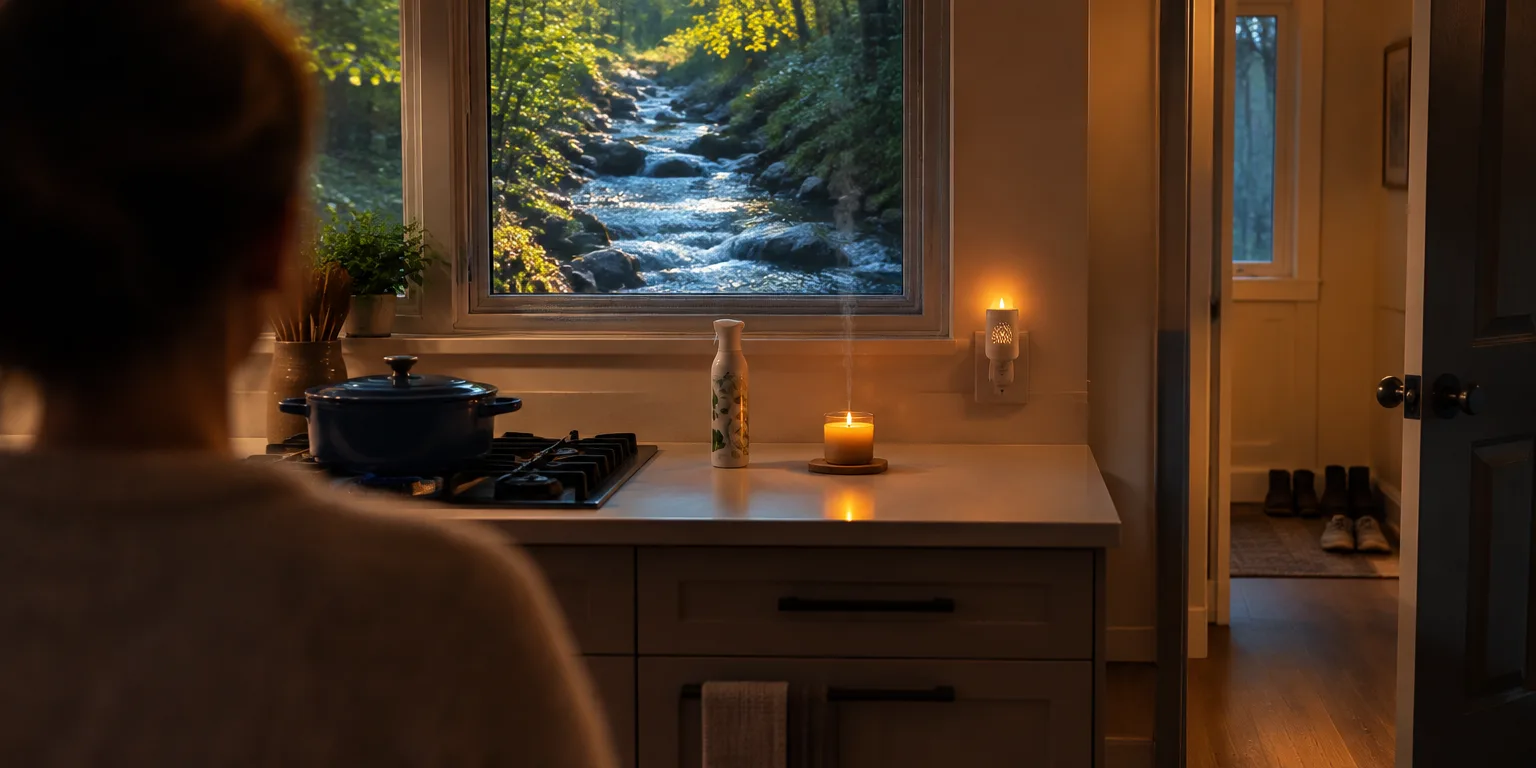
His explanation comes down to movement. Feldstein compares a flowing river or stream, which usually holds fairly clean water, with a stagnant pond that grows algae and bacteria. He puts it this way: "Life wants to move. Water wants to move. Air wants to move."
Inside a sealed home, he says, everyday sources accumulate because the air does not turn over. He lists cooking and shoes tracked in from outside, along with hairspray, odor sprays, plug-in scents, candles, incense, and the building materials themselves.
In his image, outside is the river and the home is the pond. He says homes are built too tight to breathe, and argues that when the home cannot breathe, the people inside cannot breathe either.
Questions people ask
Why does Feldstein point to the 1970s?
Feldstein links tighter houses to code changes after the 1970s energy crisis, when saving heating and cooling energy became a priority. He says the codes made homes super tight to be energy efficient. In his view, those sealed homes do not breathe and do not turn air over.
What does the river-and-pond comparison explain?
It is his shorthand for moving air versus stagnant air. A river replaces its water continually, while a pond recirculates the same water where algae and bacteria can grow. Feldstein argues that indoor air behaves the same way when a home is sealed and sources keep adding particles and chemicals.
Why does he call mold and dust indoor problems?
In Feldstein's description, outdoor air is dispersed and cleaned by wind, rain, sunlight, and trees. Indoors, those forces are absent, while carpets can collect dust and hold mold spores. That is why he treats mold and dust mainly as problems of enclosed spaces.